Condensation and Rust: The Guide
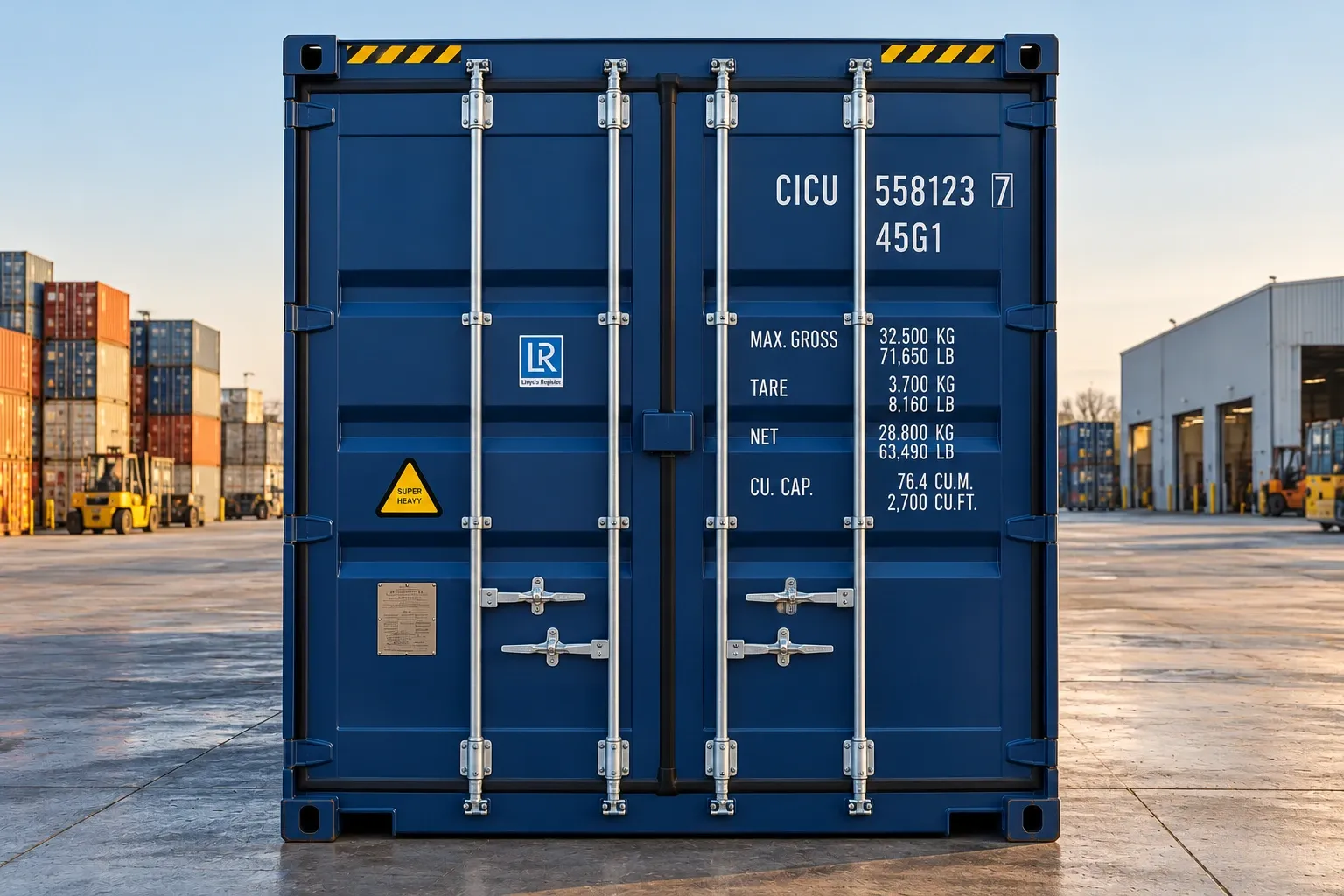
You open your container door one spring morning and… there are drops on the ceiling. Your equipment is damp, sometimes even spotted with rust. Yet the container is watertight. So where is the water coming from?
In Quebec, where temperatures can swing from −25 °C to 30 °C within a few months (and from 5 °C to 20 °C in a single day), condensation is the number one problem for shipping containers. The good news: it can be prevented, as long as you understand how it forms and take a few simple steps.
Why does condensation form?
A container is a steel box. Steel warms up and cools down quickly. When warm, humid air inside touches a cold wall, the water vapour turns into droplets: that is condensation. It is the same thing that happens on a glass of ice water in summer.
Three factors make it worse:
- A large temperature difference between day and night, or between the inside and the outside.
- Trapped moisture: materials that are still damp, green wood, wet clothing or equipment, soaked ground under the container.
- Air that does not circulate. Without ventilation, moisture stays trapped inside.
1. Start by choosing the right container
Not all containers hold up equally well against moisture. Before you buy, check:
- The condition of the door seals. Worn seals let in rain and melting snow.
- The condition of the roof and walls. A warped roof holds water; surface rust can be treated, perforation cannot.
- The type of container. A new container (often called a “one-trip”) generally shows less wear than a used one, but a good used container that has been properly inspected can work very well. To compare, read our guides New vs. Used Shipping Containers and How Long Do Shipping Containers Last .
- Insulation or modification options, if you are storing sensitive equipment (see below).
2. Take care of the installation
What happens under the container matters as much as what happens inside it.
- A stable, well-draining, level surface: compacted gravel, a slab, or concrete blocks at the four corners. Avoid soil or grass, which hold moisture.
- Raise the container slightly so air can circulate underneath and the floor does not sit against wet ground.
- Control water runoff around the container: no puddles at its base, no ditch that overflows in spring.
- Check stability: a container that leans lets water pool on the roof and strains the doors.
Before delivery, also make sure the truck has the space and access it needs, and check your municipality’s requirements (zoning, permits, setbacks).
3. Ventilate
A “tightly closed” container is not necessarily a healthy one. Air has to be able to circulate.
- Passive ventilation: vents installed at the top and bottom of the structure create a natural airflow that carries moisture out.
- Open the doors when it is dry and mild to renew the air.
- Never store wet equipment or wood that has not dried. Let everything dry before putting it away.
Modifications (vents, openings) are done in a workshop, with the reinforcements that preserve the container’s strength. Avoid cutting into the walls yourself without advice.
4. Insulate if the contents are sensitive
If you store precision tools, documents, furniture, products or electronic equipment, insulation makes a real difference. An insulated wall stays less cold, so far less vapour condenses.
- Insulation panels or foam, with a vapour barrier so moisture does not get into the insulation.
- A container that is already insulated, or a custom container with insulation, ventilation and interior lining suited to your use.
- For food or temperature-controlled products, a refrigerated container is designed for exactly that.
5. Absorb moisture and store smartly
- Dehumidifiers and moisture absorbers: useful in containers that stay closed for a long time. Replace them regularly.
- Pallets or shelves: keep equipment off the floor and a few centimetres from the walls so air can circulate around it.
- Breathable covers rather than plastic tarps, which trap moisture.
- Keep sensitive items in the centre, away from the coldest walls.
6. Maintain it every year
A well-maintained container lasts for decades. Once a year, preferably in the fall, before winter:
- Inspect the door seals and replace them if needed.
- Look at the roof: no standing water, no sagging areas.
- Spot scratches and surface rust; sand them, apply a rust converter or primer, then a paint suited to steel.
- Grease the hinges and locking mechanisms.
- Check the bottom of the walls and the floor, the places where moisture attacks first.
In short
| Do | Avoid |
|---|---|
| Install on well-draining, level ground | Placing the container directly on soil |
| Air it out and let items dry before storing | Storing damp equipment |
| Insulate and ventilate if contents are sensitive | Cutting into the walls without advice |
| Keep equipment away from the walls | Covering everything in airtight plastic |
| Inspect once a year | Waiting for rust to spread |
Frequently asked questions
Can a new container get condensation? Yes. Condensation depends on temperature and humidity, not on the age of the container. A new container is just as exposed if it is not ventilated or insulated.
Are ventilation grilles enough? For low-sensitivity equipment, often yes. For equipment that fears moisture, combine ventilation, insulation and dehumidification.
Does an insulated container solve everything? It greatly reduces condensation, but it does not replace a good installation, suitable ventilation and regular maintenance.
A container suited to your use
Equipment storage, workshop, job-site office or storage space for your products: the right container depends on what you put in it and where you set it up. At Conteneur GSA, we offer new and used containers in 20 and 40 ft., refrigerated and insulated containers, and custom models, delivered right to your property anywhere in Quebec.
Request your free quote or call us at 514 594-4929: we will help you choose the model and options that will really protect your contents.